About

A designer who ships.

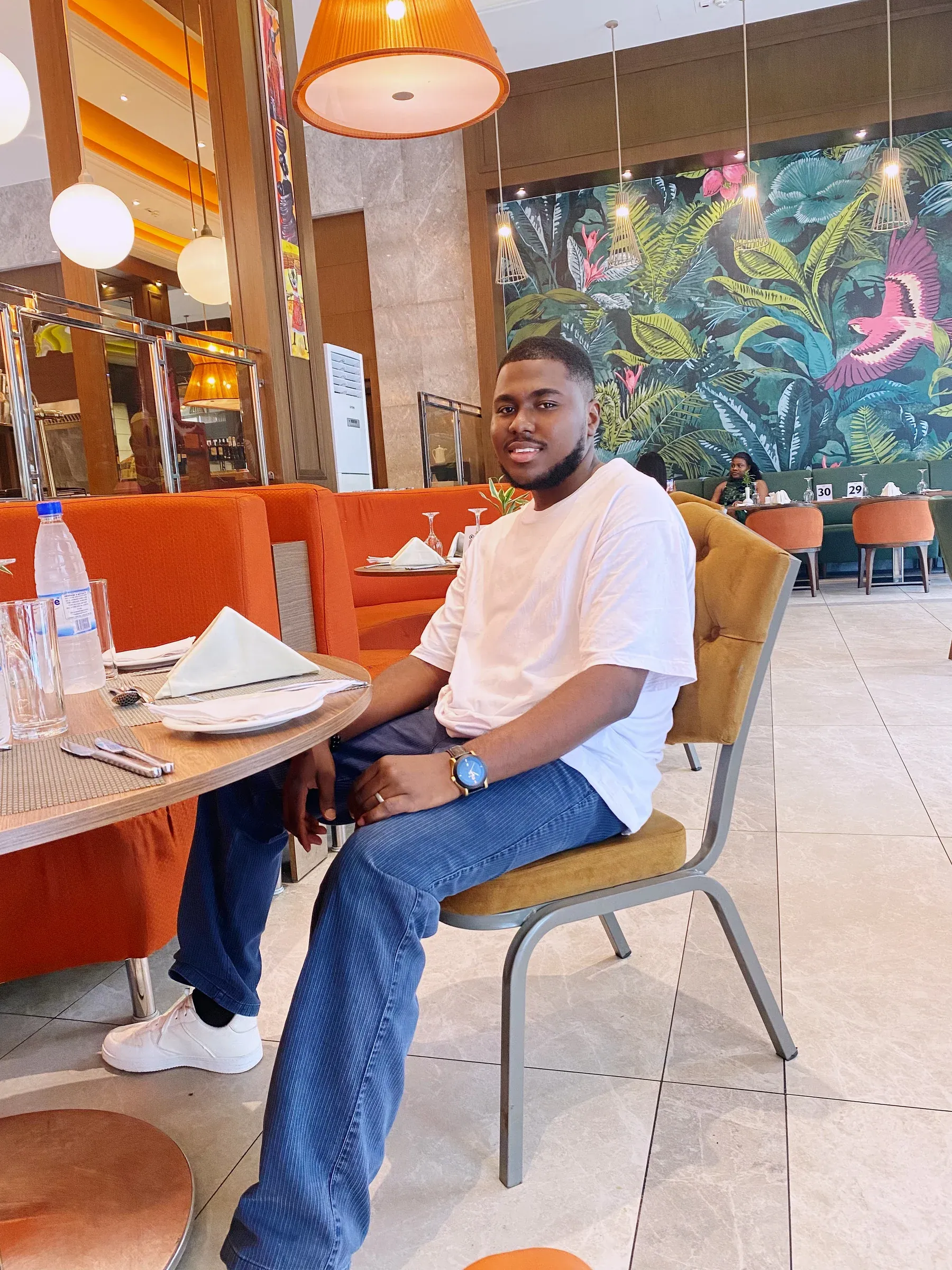
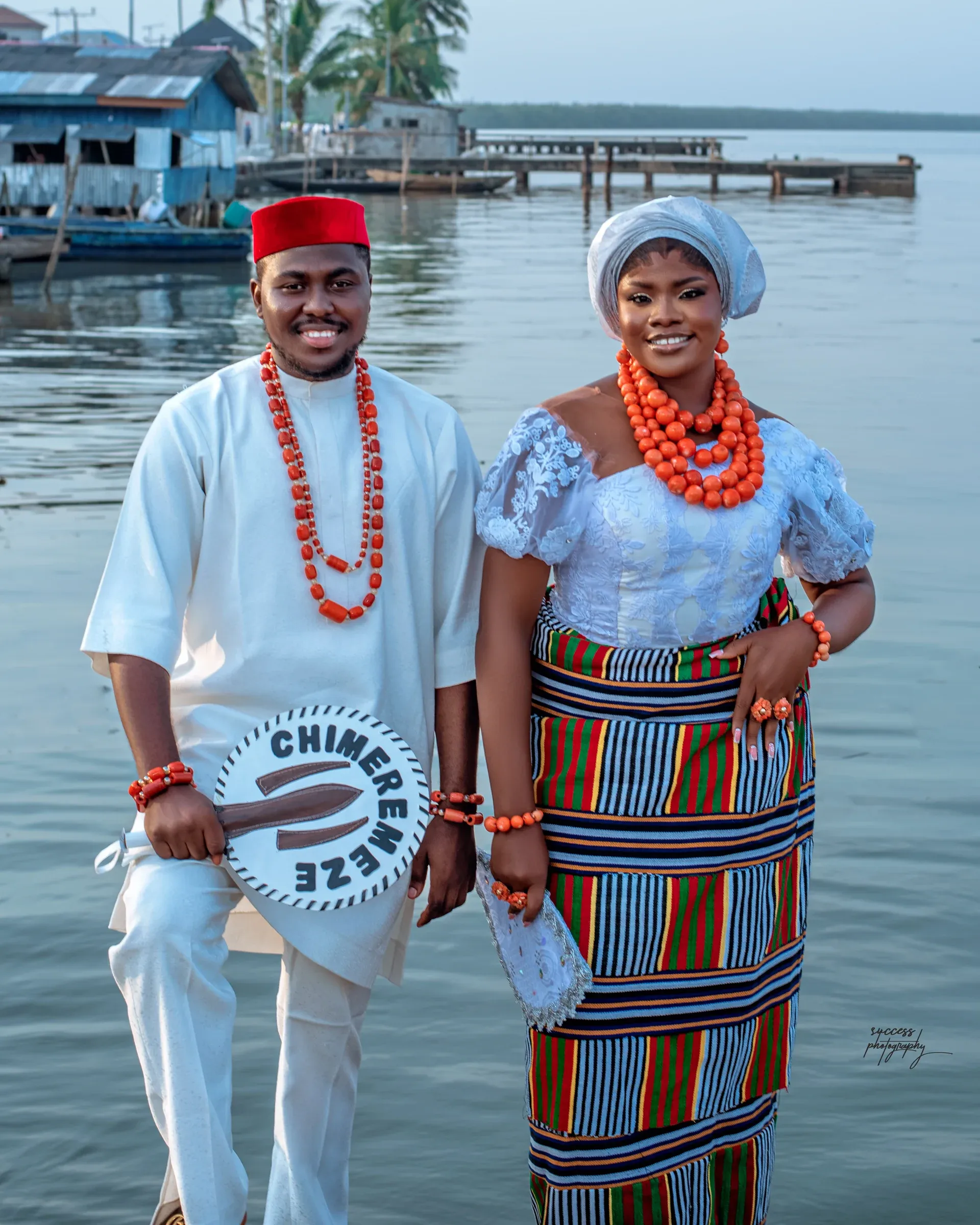
I'm Emmanuel. I design products and build them too, which is a long way of saying design engineer. For four years I've helped teams ship calm, considered software in fintech, commerce, AI and education, from the first research call to the production code.

Emmanuel Onugwu

I trained as an engineer, not a designer. My degree is in Petroleum and Gas Engineering, and it still shapes how I work: start with the system, respect the constraints, make decisions you can explain.

I started out designing interfaces, and it bothered me how quickly they went stale. They looked fine; they didn't always work. What changed things was realising that good screens come from good design systems, and good systems come from clear thinking.

These days I'm a product designer first and a design engineer second. I still design every day; I just write a lot more code now, and ask harder questions earlier. AI tools are part of that, not because they're trendy, but because they let one person ship at a level that used to take a team.

The work I'm proudest of looks easy. Every screen feels obvious once it exists. Getting there is the hard part, and it's most of what I do.

Currently

Right now I lead product design at Kulenga Research Labs, and take on a small number of outside projects.

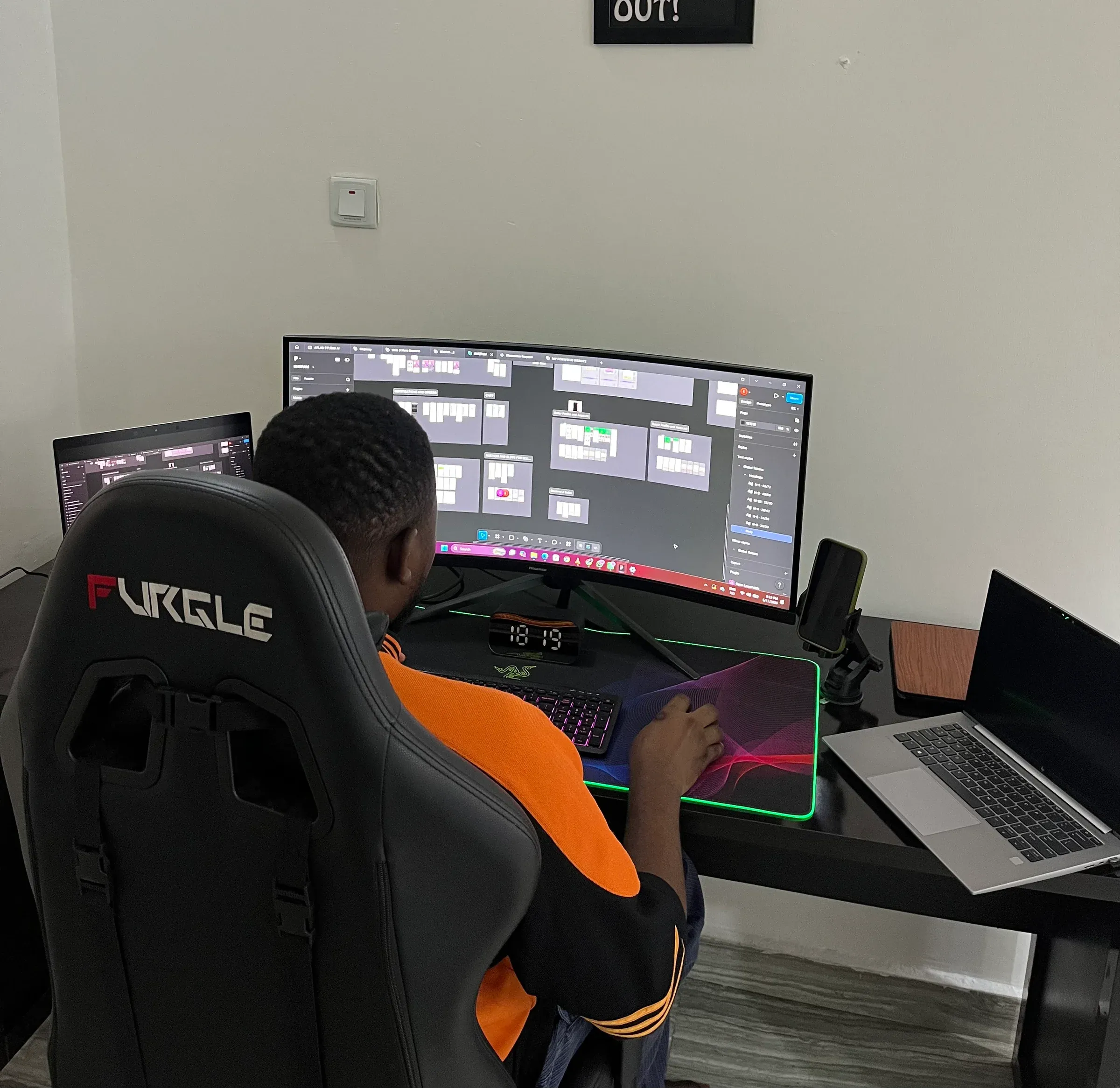
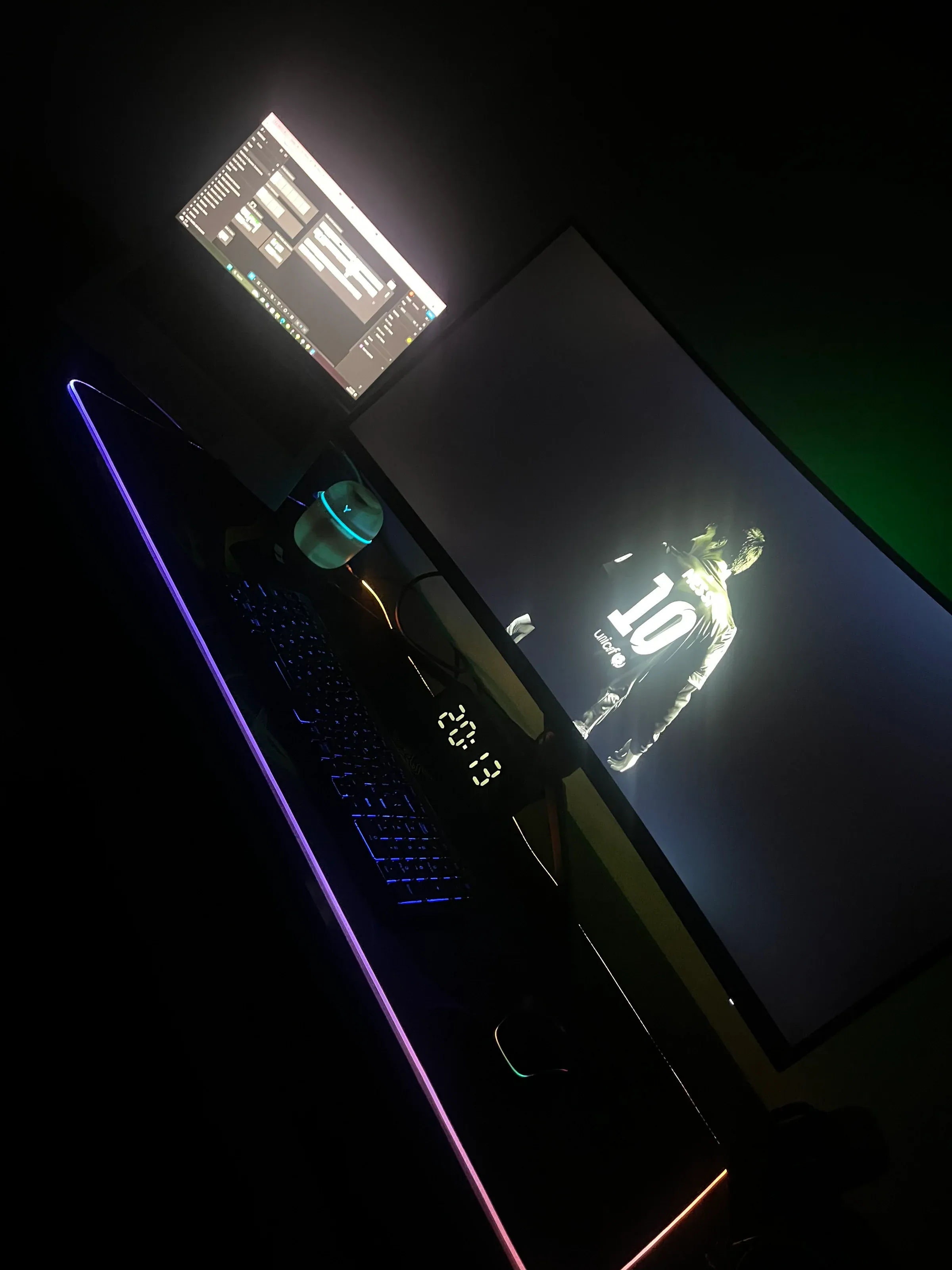
Emmanuel's workspace

  1. 2024-Present

    Lead Product Designer, Kulenga Research Labs

    Leading end-to-end product design across in-house and client products, SaaS platforms, data systems, large-scale web apps. Led design of three core products (Yengal, EdKiva, Majeezy) from research to developer handoff. One client reported a 30% rise in inbound requests after launch; an internal operations system improved workflow efficiency by over 20%.

  2. 2023-2024

    UI/UX Product Designer, Aeximius SA (Geneva, remote)

    Designed web and mobile products across real estate, healthcare, AI, gaming, and consumer applications under senior mentorship. Built strong foundations in usability, accessibility, and product thinking.

  3. 2022-2023

    Junior UI/UX Designer, PECAP Development Center

    Sole designer on the National Metrology Institute (SON) calibration platform, improved data accessibility 25%, technician efficiency 15%, online visibility 30%, with 100% compliance to government accessibility standards.

  4. 2022

    Started in product design

    Google UX Design certification, the start of the transition into tech.

How I build.

Every project is different, but the way I think about them isn't. This is roughly how a project goes with me, whether it's a fintech platform, an AI tool or a weekend experiment.

  1. 01 Frame

    Find the one thing that matters.

    Most projects arrive with a vague problem and a confident solution already attached. I start by taking that apart, talking to users, the team and the market, until I can name the one constraint everything hangs on, in a sentence anyone on the team could repeat. Then everything gets built against that sentence.

    See it in ShopAm
    • User research
    • Stakeholder interviews
    • Competitive teardown
    • Constraint statement
  2. 02 Systems

    Build the rules before the screens.

    Before I design a single screen, I set up the system underneath: tokens, components and how things behave. One source of truth means two very different screens still feel like the same product, and the design scales instead of falling apart in six months.

    See it in Tooldo
    • Token architecture
    • Component primitives
    • Interaction rules
    • Dev handoff spec
  3. 03 Iterate

    Test it against reality.

    I prototype with real data and real constraints, never placeholder text, and put it in front of real people early. If the evidence disagrees with the plan, the plan changes. AI tools mean I'm on my third version while most teams finish their first.

    See it in Tooldo
    • High-fidelity prototypes
    • Usability testing
    • Live data harnesses
    • Assumption logs
  4. 04 Ship

    Stay until it's live.

    A lot gets lost at handoff, so I don't hand off and walk away. I work alongside engineers through the build and look after the parts that usually get skipped: empty states, error messages, loading, and the edge cases nobody demos.

    See it in ShopAm
    • Production-ready components
    • Motion system
    • Edge-case audit
    • Launch QA
  5. 05 AI-native

    Agents as teammates.

    Claude Code, Codex and Antigravity sit at the centre of how I build now. They turn a six-week build into a six-day one without skipping the thinking. The judgement stays mine; the loop just gets faster. This site was built that way.

    See how
    • Agentic build flows
    • Structured specs
    • Design-to-production pipeline

The tools I reach for.

Design

  • Figma
  • FigJam
  • Framer
  • Jitter
  • Rive

Engineering

  • React
  • Next.js
  • React Native
  • Expo
  • Flutter
  • TypeScript
  • Tailwind
  • HTML / CSS / JS

AI-native & Workflow

  • Claude Code
  • Codex
  • Antigravity
  • Cursor
  • v0
  • Lovable

Keyboard shortcuts

CtrlK
Open the command palette
T
Switch between light and dark
G
Show the 12-column grid
?
Show these shortcuts
Esc
Close whatever is open